


Little Screens, Big Questions: Finding the Right Balance for Young Children
Practical guidance for parents and carers on balancing screen use with healthy development, meaningful play and family time.
TL;DR:
- Screen time measures duration, while screen use considers content, purpose and engagement.
- The shared guidance recommends avoiding recreational screen time for under-twos and limiting it to one hour daily for ages 2–5.
- Excessive screen time is associated with potential difficulties in language, attention and development.
- Shared viewing, quality content and plenty of active play can help create a healthier balance.
- Essential screen-based assistive technologies for children with SEND are not subject to the same recreational screen time limits.

Screens are part of everyday life. From watching a favourite programme to chatting with grandparents on a video call, technology can offer children opportunities to learn, communicate and have fun.
But with tablets, televisions and smartphones becoming increasingly familiar to even our youngest children, it's understandable that parents and carers have questions about how much screen time is appropriate.
At Brighstone Preschool, we understand how important it is to find a healthy balance, so we've put together some helpful information about screen use and what it means for children aged 0–5.
Screen Time vs Screen Use – What's the Difference?
Although the two terms sound similar, there is an important difference.
Screen time simply refers to the amount of time a child spends looking at a screen.
Screen use, however, considers the bigger picture. It looks at how, why and in what circumstances children use screens, including:
- The quality and educational value of the content.
- How fast-paced or stimulating the content is.
- Whether children are actively engaging or simply watching.
- Whether an adult is sharing the experience with them.
- The purpose of the activity, such as learning, entertainment or communication.
For example, watching a short educational programme together and chatting about what happens can be a very different experience from spending the same amount of time watching videos alone.
It's not just about watching the clock – what children watch and how they engage with it matters too.
How Much Screen Time Is Recommended?
The guidance shared for children aged 0–5 recommends the following:
Children under 2 years
Avoid screen time wherever possible, apart from exceptional circumstances such as video calls with parents, carers or other family members.
Children aged 2–5 years
Limit screen time to no more than one hour per day, with less being preferable.
These recommendations encourage families to make plenty of room for the activities that support children's early development, including playing, talking, reading, exploring and being physically active.
Why Does Screen Time Matter?
Early childhood is a particularly important period for developing language, communication, attention and social skills.
Research suggests that excessive screen time is associated with a range of developmental concerns, including:
- Reduced opportunities for conversation and vocabulary development.
- Difficulties with attention and concentration.
- Challenges with some aspects of learning and behaviour.
- Potential delays in certain areas of development.
This doesn't mean that occasional screen use will harm your child. The important thing is to consider the overall balance of their day and ensure that screen-based activities aren't replacing valuable opportunities for interaction, imaginative play and real-world experiences.
Making Screen Time More Meaningful
There are some simple ways to help children develop healthy screen habits.
Watch together: When possible, sit with your child and talk about what they're watching. Ask questions, name objects and discuss what's happening.
Choose carefully: Look for age-appropriate, high-quality content that encourages curiosity, creativity and learning.
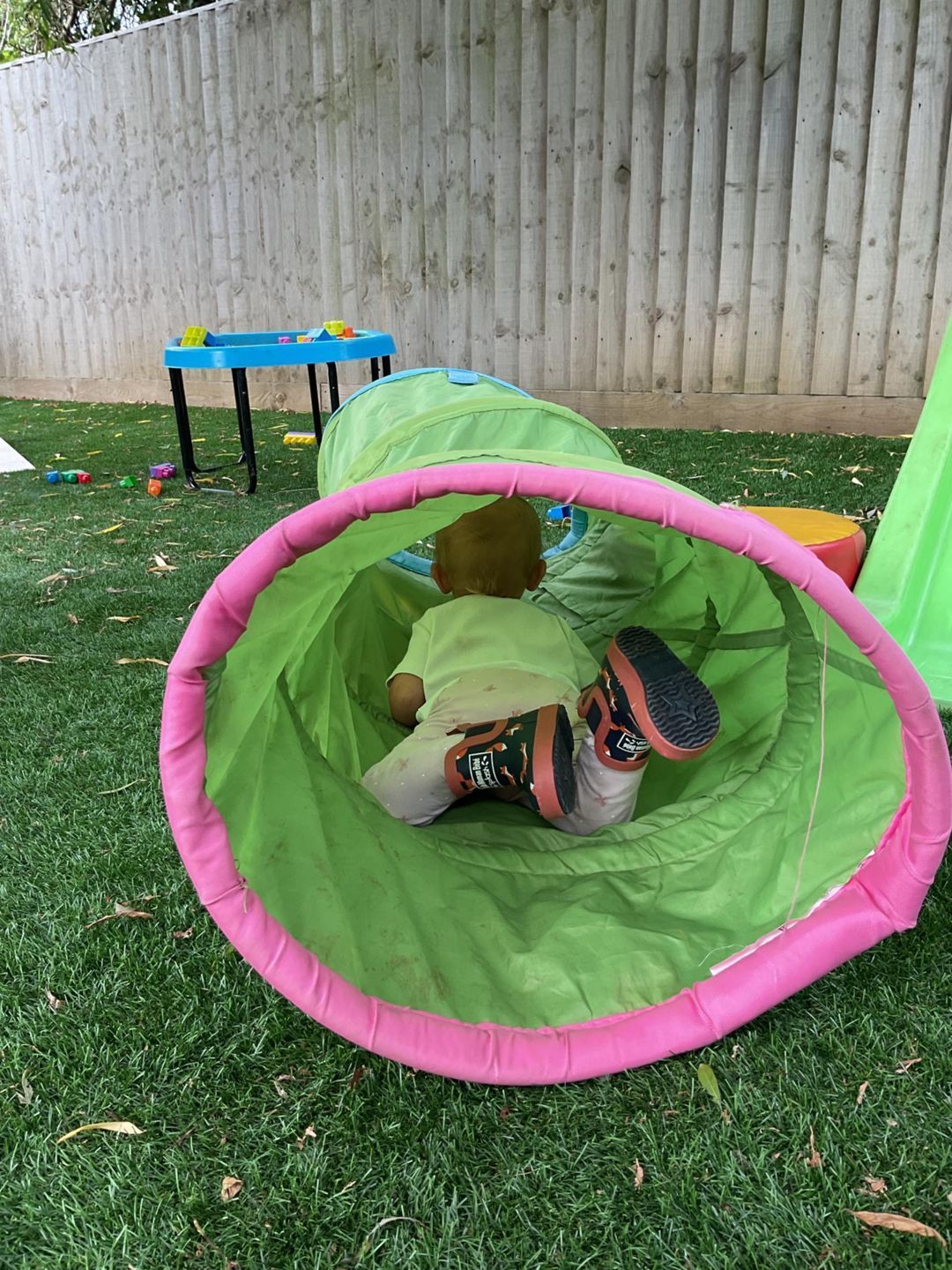
Encourage active play: Make time for outdoor adventures, building, drawing, singing, imaginative games and other hands-on activities.
Create screen-free moments: Mealtimes, bedtime routines and family conversations are great opportunities to put devices aside.
Lead by example: Children learn so much from watching the adults around them, including how we use our own phones and devices.
And remember, every family is different. The aim isn't perfection, but developing healthy habits that work for your household.
An Important Note About Children with SEND
For some children with Special Educational Needs and Disabilities (SEND), screen-based assistive technology plays an essential role in everyday life.
These technologies can support communication, independence, wellbeing and quality of life.
The recommended recreational screen time limits do not apply in the same way to assistive technologies that children need to communicate, learn or participate in daily activities.
It's important to recognise the difference between recreational screen use and technology that provides vital support.
Finding a Healthy Balance
At Brighstone Preschool, we believe that young children learn best through a rich variety of experiences – playing, exploring, creating, communicating and discovering the world around them.
Technology can have a place within that journey, but it is just one small part of a much bigger picture.
By making thoughtful choices about when, why and how children use screens, we can help them enjoy the benefits of technology while protecting those all-important opportunities to play, connect and grow.
Because sometimes, the most exciting adventures happen when the screens are switched off!
Share this news article








 by Island Web Design